How Do Parasites Infect the Tap Water and Cause Harms to Your Health?
Clean, safe water is something most Australians take for granted. We turn on the tap expecting purity, but hidden within that clear stream could be microscopic parasites capable of causing serious health problems. Understanding how these parasites enter your tap water, the risks they pose, and how to detect them with a water testing kit can protect your health and well-being.
Understanding Parasites in Tap Water
Parasites are living organisms that survive by feeding on a host. In the context of water, they are typically microscopic and can include protozoa, worms, and cysts that resist standard water disinfection methods. Some of the most common parasites found in contaminated tap water include Giardia lamblia, Cryptosporidium, and Naegleria fowleri.
These pathogens are particularly resilient because of their protective outer shells, allowing them to survive in harsh environments and resist chlorine treatment used in water plants. Once consumed, they can infect the digestive or nervous systems, leading to conditions ranging from mild gastroenteritis to severe neurological illness.
How Parasites Enter the Water Supply
Even with advanced filtration systems in place, water contamination can occur at various stages of its journey from the source to your tap.
1. Contaminated Source Water
Many water sources such as rivers, dams, and reservoirs can be contaminated by animal waste, runoff, or untreated sewage. Heavy rainfall can increase the risk, washing parasites from soil or animal faeces into catchment areas.
2. Aging Infrastructure
Australia’s water systems rely on thousands of kilometres of underground pipes. Cracks, leaks, or old joints in these pipes can allow contaminants to seep in, particularly after flooding or construction work.
3. Inadequate Filtration or Disinfection
While water treatment facilities are designed to remove most pathogens, some parasites—especially Cryptosporidium and Giardia—are chlorine-resistant. If filtration systems are not properly maintained, these microorganisms can pass through undetected.
4. Household Plumbing and Tanks
Water tanks, storage units, and poorly maintained filters can harbour parasites if not cleaned regularly. Even biofilm (a slimy bacterial layer) inside old pipes can trap and release microorganisms back into your drinking water.
The Hidden Health Risks
Consuming parasite-contaminated tap water can have varying effects depending on your immune system, age, and overall health. Some people might experience mild symptoms, while others face severe or long-term complications.
- Gastrointestinal Issues: The most common symptoms include diarrhoea, cramps, nausea, and dehydration. Giardia and Cryptosporidium are notorious for causing these illnesses, sometimes lasting weeks.
- Neurological Impact: Certain parasites, such as Naegleria fowleri (often called the brain-eating amoeba), can enter through the nasal passages during bathing or swimming in untreated water. Although rare, infections are usually fatal.
- Chronic Fatigue and Malabsorption: Repeated exposure can damage intestinal lining, reducing your body’s ability to absorb nutrients. This leads to fatigue, weight loss, and prolonged discomfort.
- Risk to Vulnerable Groups: Infants, pregnant women, the elderly, and people with compromised immune systems are at higher risk of severe infection.
Why Water Quality Testing Matters
While Australia has some of the highest drinking water standards globally, it’s not immune to contamination events. Regular checks using a water test tool can help identify invisible dangers before they affect your health.
A rapid water test is particularly valuable if you rely on bore water, rainwater tanks, or private wells. It provides quick insights into water clarity, pH balance, bacteria presence, and potential parasite contamination. Early detection helps you take timely action, whether it’s cleaning your tank, replacing filters, or alerting local authorities.
How to Detect Contaminants in Tap Water
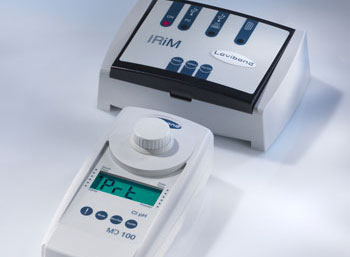
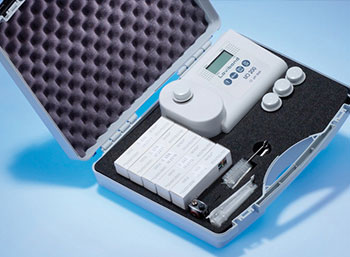
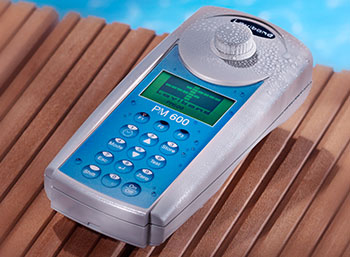
Modern testing technology has made it easier for households to assess their water quality without relying solely on laboratory services. With a reliable water testing tool, you can check for indicators that may suggest parasitic contamination.
1. Testing for Turbidity and Suspended Solids
Cloudy or discoloured water may indicate organic matter or microorganisms. Some rapid water test kits include clarity tests that measure turbidity levels quickly.
2. pH and Chlorine Balance
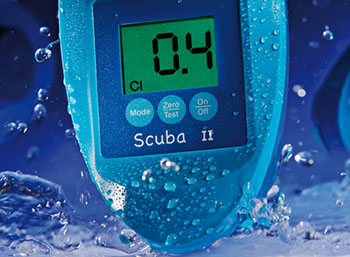
Parasites thrive in specific pH conditions. Regularly checking these levels ensures your water remains within safe ranges. Low chlorine readings could mean your supply isn’t adequately disinfected.
3. Bacteria and Nitrate Tests
Although not direct parasite tests, high bacteria or nitrate levels are often red flags that contamination has occurred somewhere along the water line.
4. Laboratory Verification
For definitive confirmation, professional labs can analyse water samples to detect specific parasites using microscopic and molecular testing methods. Combining home rapid water test results with lab analysis provides the most accurate insight into your water safety.
Real-World Cases in Australia
Australia has faced several water contamination incidents in the past, highlighting the importance of vigilance.
- In 1998, Sydney’s water supply tested positive for Giardia and Cryptosporidium, prompting widespread public alerts.
- Rural communities relying on rainwater tanks often face parasite risks during prolonged wet seasons when tank cleaning is overlooked.
- Even urban areas with advanced treatment systems can experience contamination after extreme weather or maintenance works on old pipelines.
These events remind us that prevention and testing remain essential, no matter how advanced the water infrastructure appears.
Community Responsibility and Public Safety
Ensuring safe tap water isn’t just an individual responsibility, it’s a shared one. Water authorities continually monitor and treat supply networks, but household awareness makes a significant difference. Using a rapid water test at home or within community facilities helps detect local issues early, preventing widespread exposure.
Schools, childcare centres, and aged care facilities can particularly benefit from routine water checks. When anomalies are found, they can work with local councils or certified laboratories to investigate and resolve the issue promptly.
What To Do If Contamination Is Suspected
If you suspect your tap water may be contaminated:
- Stop Drinking or Cooking with Tap Water. Use bottled or boiled water until you confirm it’s safe.
- Run a Rapid Water Test. This gives a quick overview of potential contamination.
- Contact Local Water Authorities. Report any unusual taste, smell, or appearance in your tap water.
- Clean and Inspect Filters or Tanks. Parasites can persist in biofilm layers, even after contamination is resolved.
- Send Samples for Laboratory Testing. Follow up initial water test kit results with professional verification for peace of mind.
Final Thought
Parasites in tap water may be invisible, but their impact is very real. With awareness, consistent monitoring, and the use of a trusted water testing kit, Australian homeowners can ensure the water they drink every day remains pure, safe, and life-giving. Clean water starts with knowledge and the confidence to test it.
At Waterlilly Australia, we’re dedicated to helping every Australian household access clean, safe, and healthy water. Our premium water testing kits are designed for accuracy, simplicity, and reliability, giving you instant clarity on your water quality no matter where you live. We deliver Australia-wide with fast shipping and expert customer service. Order today at 02 9798 9975 or visit our contact page to get the best water testing kits to ensure your family’s well-being.
No related posts.
This entry was posted in Uncategorized. Bookmark the permalink.