How Often Should You Change Your Swimming Pool Water?
Maintaining the quality and clarity of your swimming pool water is crucial for both safety and comfort. The question of how often you should change your swimming pool water is something that many pool owners struggle with. While there is no one-size-fits-all answer, there are important factors to consider that can help you make an informed decision on the best maintenance practices for your pool.
There are factors that influence how often you should change your swimming pool water and the role that water testing tools play in keeping your pool in top condition. Whether you’re a new pool owner or someone looking to refine your pool maintenance routine, this guide will provide valuable insights.
How Often Should You Change Your Swimming Pool Water?
While it may sound like a straightforward question, determining the right frequency for changing your pool water depends on several factors. In general, most pools require a complete water change every 3 to 5 years. However, this timeline can vary based on several aspects of your pool’s environment, including the size of the pool, frequency of use, and local water quality.
Key Factors That Influence How Often You Should Change Your Pool Water
1. Pool Size and Water Volume
Larger pools contain more water, which means the water can stay in better condition for longer periods. For smaller pools, especially above-ground models, the water can become saturated with contaminants more quickly, requiring more frequent changes. Additionally, the size of your pool will also determine how much time and effort is required to clean and filter the water.
2. Water Quality and Local Conditions
The quality of the water supplied to your pool can greatly influence how often you need to replace it. Areas with hard water or high mineral content can cause calcium buildup and other issues that require more frequent water changes. Similarly, local conditions, such as high levels of pollen or dust in the air, can also lead to a faster accumulation of debris and contaminants in your pool.
3. Usage Frequency
The more often your pool is used, the more frequently you will need to change the water. If you have frequent pool parties or your pool is used daily by a family, the water will need to be replaced sooner. High usage leads to an increase in body oils, sunscreen, dirt, and debris, which eventually affects water quality. Regular water testing using a swimming pool water test tool can help you keep track of how much the water is being impacted.
4. Pool Type
Above-ground and in-ground pools have different requirements when it comes to water replacement. In-ground pools typically have better filtration systems and larger volumes of water, which helps maintain water quality for longer periods. Above-ground pools, on the other hand, often have smaller filtration systems and may require more frequent water changes. Regardless of pool type, regular checks with a water testing kit can help you gauge the need for water changes.
5. Maintenance and Filtration Systems
Proper pool maintenance is vital for reducing the need to replace pool water. Regular cleaning of your pool’s filter, skimming debris, and ensuring that your pump is working properly can help extend the life of your pool water. A well-maintained filtration system will ensure that the water remains clean and balanced for longer. Additionally, using a water testing tool to monitor your pool’s chemical balance can help you detect any imbalances before they escalate.
Why Water Testing Is Essential
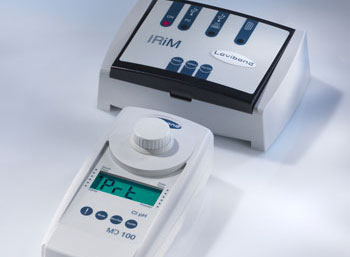
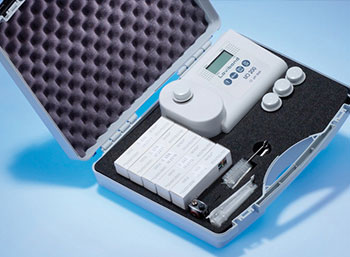
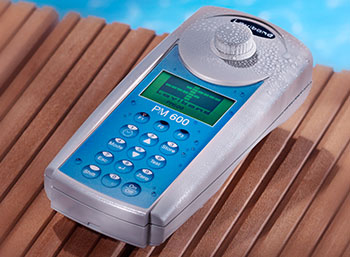
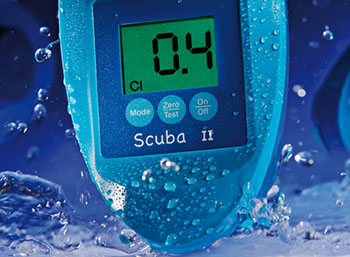
To understand when it’s time to change your pool water, you’ll need to regularly test the water’s quality and chemistry. A swimming pool water test kit Australia is the most effective way to monitor essential parameters like pH, chlorine levels, alkalinity, and calcium hardness. These measurements give you a clear picture of whether your pool water is still within safe and balanced ranges.
By using a water testing kit, you can address minor imbalances in the water before they become more severe, thereby extending the life of your pool water. You can find both manual and digital swimming pool water test tools that provide fast, accurate results. These tools allow you to easily check the pool water’s chemistry and determine if any adjustments are needed.
If you find that certain water quality issues persist despite regular maintenance, it may be a sign that a water change is due. For example, if the water remains cloudy, has a strong chlorine smell, or doesn’t seem to respond to treatments, it may be time to replace it.
Signs That Your Pool Water Needs to Be Changed
Even with regular testing and maintenance, there are certain signs that will indicate your swimming pool water is no longer fit for use and needs to be changed. These include:
- Persistent Cloudiness: If your pool water remains cloudy despite filtration and chemical treatments, it’s a sign that the water is overburdened with contaminants that can’t be removed by the filtration system alone.
- Chemical Imbalances: If your swimming pool water test tool shows that your pool’s chemicals are consistently out of balance, even after adding chemicals and running the filter, it could mean that your pool water has reached the point where a replacement is necessary.
- Strong Chlorine Odour: A strong chlorine smell can be a sign that the pool water is overloaded with chloramines, which form when chlorine reacts with organic matter like sweat, body oils, and urine. This could be a sign that the water needs to be changed.
- Algae Growth: If you notice persistent algae blooms despite proper filtration and chemical treatments, it’s an indication that the pool’s water quality has degraded, and a water change may be needed.
Steps to Take Before Changing Your Pool Water
If you’ve determined that it’s time to change your pool water, there are a few important steps to follow to ensure the process goes smoothly:
- Test the Water: Before draining the pool, use a water testing kit to measure the current levels of chemicals and water quality. This will give you a baseline for any adjustments you may need to make after refilling the pool.
- Drain the Pool: Use your pool’s drainage system to empty the water. Be sure to follow local guidelines for proper drainage, as pool water can contain chemicals that may need to be disposed of responsibly.
- Clean the Pool: Once the pool is drained, take the opportunity to clean the pool’s surfaces, filters, and equipment. This is the ideal time to scrub away any algae, dirt, or grime that may have accumulated.
- Refill the Pool: After cleaning, refill the pool with fresh water. Be sure to test the new water using your swimming pool water test tool and adjust the chemicals accordingly to achieve a balanced water chemistry.
Conclusion
Changing your swimming pool water is not something that needs to be done frequently, but it is a necessary part of maintaining a safe, clean, and enjoyable pool. By paying attention to key factors such as pool size, water quality, usage frequency, and the effectiveness of your filtration system, you can determine when it’s time to replace the water. Regular water testing using a swimming pool water test kit Australia will help you keep your pool in top shape, making it easier to enjoy clean, refreshing water year-round.
At Waterlilly Australia, we offer high-quality pool and environmental water test kits to ensure your pool stays in perfect condition. With our reliable products and expert support, we can serve customers nationwide, providing fast shipping and excellent customer service wherever you are in Australia. Get in touch today at 02 9798 9975 or visit our contact page to elevate your pool maintenance routine and enjoy clean, balanced water all year long!
No related posts.
This entry was posted in Uncategorized. Bookmark the permalink.