How Photometers Detect Contaminants in Water
Ensuring clean and safe water is essential for any water system, whether it’s a pool, a drinking water supply, or a wastewater treatment facility. One of the most effective methods to detect contaminants in water is through the use of photometers. These advanced instruments provide accurate and efficient ways to monitor water quality, making them invaluable tools for both professionals and homeowners. We’ll understand how photometers detect contaminants in water and why they’re an essential part of maintaining water safety.

What is a Photometer?
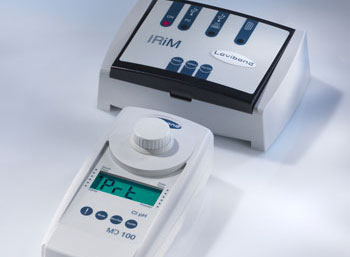
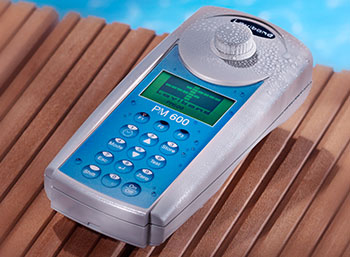
A photometer is an analytical device used to measure the intensity of light absorbed or transmitted by a water sample. This process allows the photometer to identify the concentration of specific substances, such as chlorine, pH levels, metals, or organic contaminants, within the water. Photometers are used in various applications, including pool water testing, drinking water analysis, and environmental monitoring.
By utilizing light to measure the colour change that occurs when a reagent reacts with the water sample, photometers can provide a precise reading of water quality, helping users to detect contaminants that may not be visible to the naked eye.
The Role of Photometers in Pool Water Testing
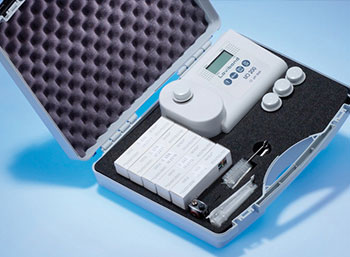
Maintaining proper water quality is crucial for pool owners. Pool water testing kits are designed to help monitor and adjust the levels of chlorine, pH, alkalinity, and other critical parameters. A pool water test kit or pool water testing tool often relies on a photometer for accurate results. Traditional test kits may use colour changes to indicate water chemistry, but photometers take it a step further by providing more precise measurements through light absorption.
Key Contaminants Detected by Photometers in Pools
Photometers are highly effective at detecting a wide range of contaminants that can compromise pool water quality. Some of the most common contaminants tested for in pool water include:
- Chlorine: Chlorine is commonly used to disinfect pool water, but if its levels are too high or low, it can cause irritation to the skin and eyes. Photometers can measure the concentration of free chlorine or total chlorine in the water, helping pool owners maintain the right balance.
- pH Levels: The pH level of pool water determines its acidity or alkalinity. If the pH is too high or low, it can affect the effectiveness of chlorine and lead to scale buildup or corrosion. Photometers measure pH levels to help ensure the water remains in the ideal range.
- Alkalinity: Alkalinity plays a crucial role in stabilising pH levels. Photometers can accurately measure the alkalinity levels in the water to prevent fluctuations that could lead to water imbalances.
- Calcium Hardness: Too much calcium in the water can lead to scaling, while too little can cause the pool to become corrosive. Photometers can measure calcium hardness levels, enabling users to adjust their pool water accordingly.
- Metals and Heavy Contaminants: Metals such as copper, iron, and manganese can find their way into pool water, often from plumbing or external sources. Photometers can detect these metals, allowing for prompt treatment to prevent staining and water discoloration.
How Photometers Work in Pool Water Testing Kits
Photometers are a key component in modern pool water test kits. These tools allow for more precise and reliable testing compared to traditional methods. The process generally involves several steps:
- Sample Collection: The first step is to collect a water sample from the pool. Typically, this is done using a clean container to ensure no contamination of the sample.
- Reagent Addition: A reagent specific to the parameter being tested is added to the water sample. For example, a chlorine reagent will react with chlorine in the water.
- Reaction Time: After the reagent is added, it reacts with the water’s contaminants, causing a colour change in the solution. The intensity of the colour indicates the concentration of the contaminant.
- Measurement: The photometer then shines a light through the sample. The instrument measures how much light is absorbed by the sample. The more light absorbed, the higher the concentration of the contaminant.
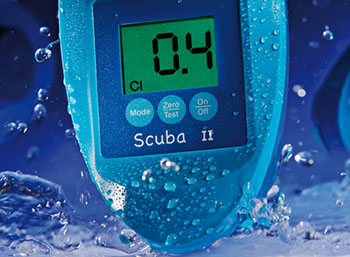
- Results: The photometer then calculates the concentration of the contaminant and displays the result on a digital screen, providing an accurate reading in parts per million (ppm) or other units depending on the test.
This process provides precise measurements that are crucial for maintaining water safety, allowing pool owners to make adjustments as necessary.
Why Use a Photometer for Pool Water Testing?
While there are many different methods available for pool water testing, using a photometer offers several advantages:
- Accuracy: Photometers provide highly accurate measurements, eliminating the subjectivity that can occur with colour change tests or visual inspection.
- Ease of Use: Pool water test kits with photometers are user-friendly. The process of testing is straightforward and can be completed quickly with minimal training required.
- Efficiency: Photometers save time by offering rapid results. Pool owners and professionals can obtain clear, reliable readings within minutes, ensuring that water quality is consistently monitored.
- Precision: With photometers, the concentration of specific contaminants can be measured with a high degree of precision. This ensures that pool chemicals are properly balanced, and harmful contaminants are kept in check.
- Consistency: Since photometers rely on light absorption rather than visual colour matching, the results are more consistent and less prone to human error.
Regular Pool Water Testing with Photometers
Regular testing of pool water is crucial for ensuring the health and safety of swimmers. Photometers can help pool owners monitor key parameters and keep the water in optimal condition. It’s recommended that pools be tested at least once a week during peak swimming season, or more often if the pool is used frequently.
By using a pool water testing tool that includes a photometer, pool owners can stay ahead of potential water quality issues and make quick adjustments to keep the water clean and safe for all users.

The Bottom Line
Photometers are a vital tool in the detection and analysis of contaminants in pool water. By accurately measuring the concentration of various substances, photometers ensure that water remains balanced and safe for swimming. Whether you’re using a pool water test kit at home or performing professional water testing, the precision and reliability of photometers make them an essential component of any water testing routine.
For pool owners and professionals looking for an accurate and efficient way to monitor water quality, investing in a high-quality pool water testing tool with photometer capabilities is a smart choice. With the right tools, you can ensure that your pool water is always safe, clean, and enjoyable for everyone.
Our advanced water testing kits at Waterlilly Australia, equipped with high-precision photometers, are available Australia-wide. Whether you’re a homeowner or a professional, we offer reliable, easy-to-use solutions for accurate water quality monitoring. With fast shipping and excellent customer support, we make it easy to maintain optimal water conditions wherever you are. Order today at 02 9798 9975 or visit our enquiry page and experience the difference in water testing!
No related posts.
This entry was posted in Uncategorized. Bookmark the permalink.