Is It Safe to Swim in Natural Water?
Swimming in natural water bodies like lakes, rivers, and oceans can be an exhilarating experience. The refreshing coolness of a river after a hot day or the soothing rhythm of ocean waves can provide an unmatched connection to nature.
While nature can offer a refreshing escape, there are factors to consider that impact water safety. Whether it’s freshwater or saltwater, various microorganisms and pollutants can pose health risks, making it essential to understand when it’s safe to swim. In this guide, we’ll explore how you can assess natural water quality, the potential risks, and how water testing kits can help ensure your swim is a safe one.
The Hidden Risks in Natural Water
Natural water sources are not as controlled as swimming pools, which are regularly treated with chemicals. In contrast, rivers, lakes, and oceans can have varying conditions that change daily. Here are some of the most common concerns when it comes to water safety:
1. Bacteria and Pathogens
Water bodies are often susceptible to bacterial contamination, which can result from a variety of sources, including sewage runoff, agricultural chemicals, and animal waste. Common bacteria in natural waters include Escherichia coli (E. coli), which is often linked to gastrointestinal issues, skin infections, and respiratory problems. These pathogens can also increase in warmer weather, especially after heavy rainfall or flooding.
2. Algae Blooms
Certain conditions can promote the growth of algae in freshwater lakes and ponds. This phenomenon, called “algae blooms,” can release toxins that may be harmful to humans and animals. Cyanobacteria, a type of algae, can produce harmful toxins that affect your skin, eyes, and lungs, and in severe cases, can lead to more serious illnesses. Always check for visible green, blue, or reddish streaks in the water or a scummy appearance on the surface before entering.
3. Water Pollution
Pollution, both visible and invisible, can also be a major issue in natural water sources. Industrial, agricultural, and household waste can often find its way into rivers and oceans, leaving behind pollutants such as heavy metals, pesticides, and plastics. These contaminants can cause serious health problems, particularly if ingested or absorbed through the skin.
4. Water Temperature and Currents
The temperature of natural waters can fluctuate significantly depending on the weather, time of day, and season. In colder water, the risk of hypothermia increases, while warm water can create breeding grounds for harmful bacteria. Similarly, currents in oceans and rivers can be dangerous, leading to drowning or being swept away.
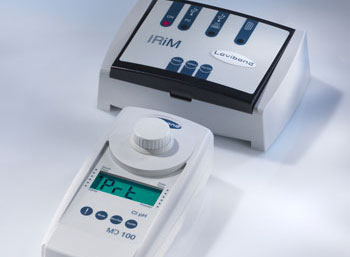
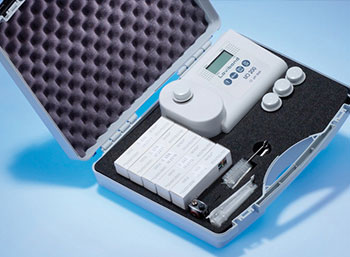
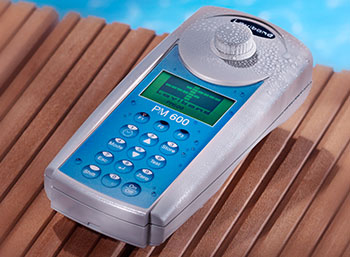
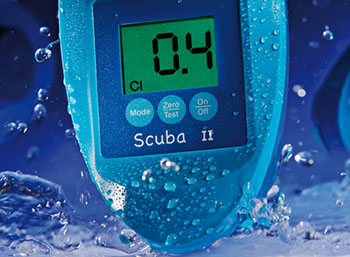
Now that we know some of the risks in environmental water, how do we ensure it’s safe to swim? Regular water testing is essential in monitoring the quality of natural water bodies. Whether you’re enjoying a local lake or taking a dip in the ocean, using water test kits can help assess whether it’s safe to swim.
How to Test Water Safely
To ensure the natural water body is safe for swimming, the following steps for water quality tests are recommended:
- Test for E. coli: E. coli is a key indicator of harmful bacteria in water sample. Testing for these bacteria can help determine whether the water is safe to swim in.
- Check for toxins from algae blooms: Using specialized kits, you can detect the presence of harmful algae in freshwater lakes. Be cautious of any visible algae blooms, but also use testing kits for peace of mind.
- Assess the water’s pH: A water’s pH can indicate its overall health. A pH that’s too high or too low can signal the presence of pollutants or a high concentration of bacteria.
- Look for local warnings: Before swimming in natural waters, it’s wise to check local advisories or updates on water conditions. Many beach and lake areas provide online resources or post signs that monitor water quality on a regular basis.
Best Practices for Safe Swimming
While water testing kits are a helpful water testing tool, there are other precautions you can take to minimize your risk of waterborne illness or injury. Here are some best practices for swimming in natural waters:
1. Choose Safe Locations
Opt for swimming areas that are known for good water quality. Many popular beaches and parks have regular water testing to ensure the water remains safe. Research any local risks, such as nearby sewage systems or factories, that could increase pollution levels.
2. Avoid Swimming After Heavy Rain
Heavy rainfall can cause contaminants like sewage or runoff to enter rivers and lakes, especially near urban areas. It’s best to avoid swimming in natural water bodies for at least 24 to 48 hours after heavy rainfall to reduce the risk of contamination.
3. Stay Aware of Environmental Factors
Always keep an eye out for signs of pollution or algae blooms. If the water smells unusual or appears discolored, it’s a good idea to stay out. Similarly, avoid swimming in areas with strong currents or low visibility that could make swimming hazardous.
4. Be Mindful of Personal Health
If you have open wounds or cuts, avoid swimming in natural waters, as bacteria can easily enter through broken skin. Additionally, if you’re pregnant or immunocompromised, you may want to avoid certain bodies of water that are more likely to harbor bacteria or harmful pathogens.
Conclusion
Swimming in natural water can be one of life’s most enjoyable experiences, but it’s important to approach it with caution. Bacteria, algae blooms, and water pollution can all compromise the safety of these waters. By utilizing water testing kits like rapid water test kits for swimming pool water test or environmental water test, you can make informed decisions about when it’s safe to take the plunge.
Waterlilly Australia is committed to providing high-quality pool water testing tools and information to help ensure your safety while enjoying the great outdoors. Your health and peace of mind are worth it, always prioritize water testing to make your swim enjoyable and worry-free. Call us at 02 9798 9975 or visit our contact page to explore our range of water test kits and start testing with confidence!
No related posts.
This entry was posted in Uncategorized. Bookmark the permalink.