Why Chlorine is Commonly Used in Swimming Pools
When it comes to maintaining the cleanliness and safety of a swimming pool, few chemicals are as widely used and trusted as chlorine. For decades, this powerful disinfectant has been the go-to choice for pool owners, both residential and commercial, looking to keep their water sparkling clean. But why is chlorine so commonly used in swimming pools? Let’s explore the reasons behind this popular choice and why chlorine continues to dominate the industry.
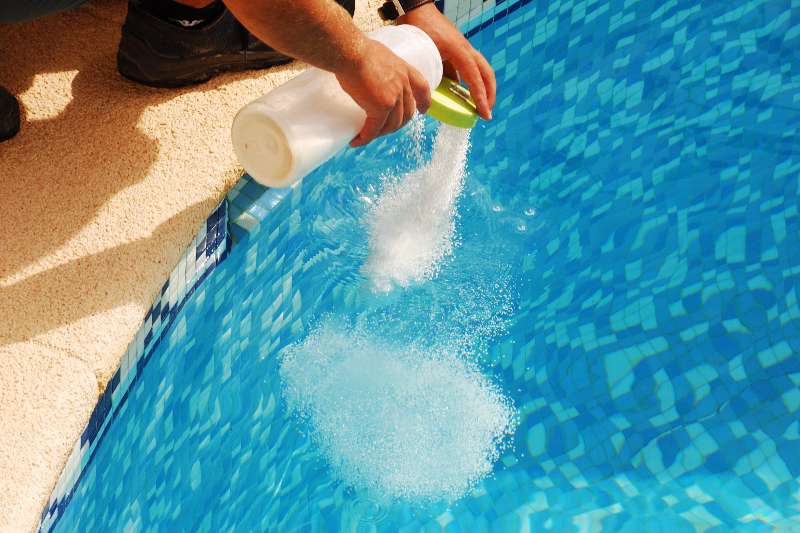
The Science Behind Chlorine in Pools
Chlorine is effective in swimming pools because of its ability to kill harmful microorganisms like bacteria, viruses, and algae. When chlorine is added to pool water, it reacts with the water to form hypochlorous acid. This acid is a highly effective disinfectant that targets and breaks down harmful organisms that may be present in the water.
Here’s how chlorine works in pools:
- Disinfection: Chlorine is a strong oxidizer, meaning it breaks down contaminants in the water by stripping electrons from them. When chlorine is added to water, it forms hypochlorous acid, which is capable of attacking and neutralizing harmful microorganisms. This prevents illnesses that can be transmitted through contaminated water, such as skin infections, stomach bugs, and respiratory infections.
- Algae Control: Chlorine is also effective in controlling algae growth. Algae can quickly turn a pool’s water green and cloudy. Chlorine kills algae spores, preventing them from multiplying and keeping the water clean and clear.
- Breakdown of Organic Matter: Chlorine also targets organic material, like body oils, sweat, dirt, lotions, and debris that swimmers bring into the pool. Over time, these materials can build up and provide a breeding ground for bacteria. Chlorine works to break down and eliminate these organic substances, preventing contamination and helping maintain water clarity.
- Odour Control: Over time, pool water can develop unpleasant odours due to contaminants, such as chloramines (compounds formed when chlorine reacts with ammonia in sweat and urine). Chlorine helps to neutralize these odours, keeping the water fresh and inviting.
- Residual Protection: One of the key benefits of chlorine is its residual effect. Unlike some sanitizers that lose their effectiveness over time, chlorine continues to work even after being added to the pool. It ensures the water remains sanitized and prevents the growth of harmful microorganisms between maintenance cycles.
Chlorine’s effectiveness is why it remains the preferred choice for pool owners, as it offers a simple yet powerful solution for maintaining safe and clean water.
Cost-Effectiveness and Availability
One of the main reasons chlorine is the most common pool sanitizer is its affordability. Chlorine is inexpensive and readily available in a variety of forms, including tablets, granules, and liquid solutions. For pool owners, this makes chlorine a cost-effective choice for maintaining water quality without breaking the bank.
Compared to alternative sanitizers, such as bromine or saltwater systems, chlorine offers an excellent balance of price and effectiveness. While other options may have certain benefits, chlorine’s widespread use and accessibility make it a top contender in the world of pool maintenance.
Chlorine’s Long-Lasting Effects
Chlorine not only works quickly but also has long-lasting effects. When chlorine is added to pool water, it continues to disinfect the water over time, maintaining a level of sanitation even when the pool isn’t in use. This ability to last longer than many other disinfectants is a huge advantage, as it reduces the need for frequent reapplications.
Furthermore, chlorine also acts as an oxidizer. This means that it helps break down organic compounds, such as dead algae or body oils, that can cloud pool water. By doing so, chlorine maintains the clarity of the water and helps prevent the growth of algae and bacteria that could otherwise make the pool water appear green or murky.
Pool Maintenance Made Simple with Chlorine
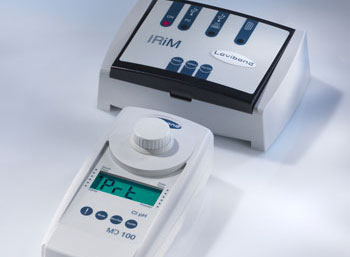
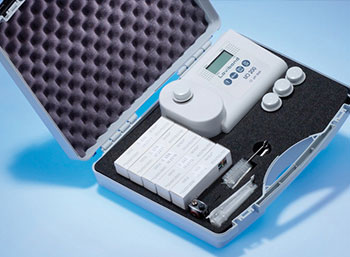
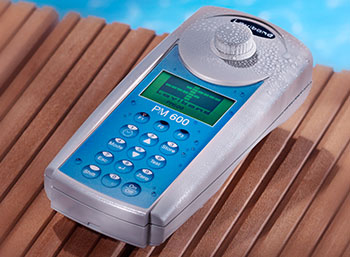
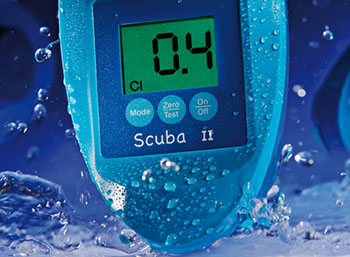
Another reason chlorine is so widely used in swimming pools is the simplicity of maintaining the pool with this chemical. When combined with regular water testing, managing chlorine levels is a straightforward task. Pool owners can use water testing tools, like rapid water test kits, to monitor the concentration of chlorine in the water. If the levels drop too low, they can add more chlorine to restore balance.
These testing tools are invaluable for ensuring that chlorine is working effectively. The process is easy and quick, allowing pool owners to take action before any issues arise. Whether using water test kits for routine checks or rapid test kits for immediate water quality testing results, having the right tools on hand makes maintaining a pool easy and stress-free.
Alternative Sanitization Methods
While chlorine is the most common choice for pool sanitization, it’s not the only option available. Some pool owners prefer alternative sanitizing systems, such as saltwater pools or mineral-based systems. Saltwater pools, for example, generate chlorine through an electrolysis process, making them a more natural option for those who want to avoid adding chlorine directly to the water.
However, despite the availability of these alternatives, chlorine remains the most reliable and cost-effective choice for many pool owners. While saltwater pools are becoming more popular, especially in certain regions, they still rely on chlorine to maintain water cleanliness. Mineral-based systems can also help reduce chlorine usage but still require a small amount of chlorine to keep the water clean.
Maintaining Chlorine Levels with Water Testing Kits
One of the most important aspects of using chlorine in a swimming pool is maintaining the correct levels. If the chlorine levels drop too low, the pool water becomes susceptible to bacteria and algae growth. On the other hand, if the levels are too high, swimmers may experience skin irritation, eye redness, and unpleasant odors.
Swimming pool water test is essential for pool owners who want to keep their chlorine levels in check. Regular testing helps to ensure that the chlorine concentration is just right, making the pool safe and comfortable for swimmers. Using water testing kits also ensures that other important chemicals, such as pH and alkalinity levels, are properly balanced.

Final Thoughts
Chlorine continues to be the preferred choice for swimming pool sanitization due to its proven effectiveness, affordability, and reliability. This powerful disinfectant helps keep pool water clean, clear, and free from harmful microorganisms. With regular use of pool water testing kits and proper maintenance, chlorine ensures that your swimming pool remains a safe place for relaxation and enjoyment.
For pool owners who want to simplify their maintenance routine and ensure optimal water quality, chlorine is the trusted option. By regularly testing the water and adjusting chlorine levels as needed, you can enjoy a sparkling clean pool all year round.
At Waterlilly Australia, we are committed to helping pool owners maintain crystal-clear, safe water with high-quality chlorine products and water testing kits. Contact us today at 02 9798 9975 or visit our enquiry page to learn more or place an order and experience the difference!
No related posts.
This entry was posted in Uncategorized and tagged rapid water test, swimming pool water test, water testing kit. Bookmark the permalink.